
You’ve found a venue, put together a programme, and started making plans for your event. Now the harder part, which can make or break your preparations, is getting people to buy tickets and show up for the event.
Selling tickets online can make this process easier, because it’s easier to get people from different parts of the country to attend your events if you can make the registration and tickets accessible online.
If you’re wondering how to sell tickets online in Nigeria, this article provides a step-by-step guide you’d find very useful.
Steps on How You Can Sell Your Event Tickets Online in Nigeria
These seven steps will help you get started and manage your event process more effectively:
1. Define your event and target audience
The first thing you should do before creating a ticket page is to ensure you have a clear idea about what you’re organizing and who you want to attend. The audience for a live music show will have different interests from the audience for a business conference or a professional workshop.
Think about what attendees will get out of the experience. Are they coming to enjoy live performances, learn a new skill, meet industry professionals, or spend time with friends? Your answer to this question would shape how you present the event and where you promote it.
For example, a conference might attract attendees through LinkedIn and professional communities, while a party could gain more attention through Instagram, WhatsApp, and local entertainment networks.
Knowing your audience from the start helps you make better decisions about pricing, promotion, and the overall event experience.
2. Create a clear and complete event listing
Once your plans are in place, gather the information potential attendees need before paying for your event ticket.
Your listing should include:
- The event name and a clear description.
- The date, start time, and venue, or online attendance details.
- Ticket prices and available categories.
- The programme, performers, speakers, or other key attractions.
- Any age restrictions, dress codes, or entry requirements.
- Contact information or an official channel for enquiries.
Make sure to use a relevant, good-quality event image and proofread everything before publishing. This is because missing details can leave potential buyers uncertain, while incorrect dates or prices can create problems closer to the event.
Put yourself in the attendee’s position. If you came across the listing for the first time, would you have enough information to decide whether to attend?
3. Set your ticket prices and categories
Your ticket prices should reflect your event budget, expected attendance, and the value you’re offering. Start by estimating your major expenses, including venue hire, equipment, performers, staff, marketing, and other operational costs.
Then decide how many ticket options you need. A small workshop might work perfectly well with one ticket price, while a concert or festival could benefit from early-bird, regular, and VIP options.
If you offer different categories, explain what separates them. VIP tickets might include reserved seating, priority entry, or access to a special area, provided you can deliver those benefits.
Also, account for ticketing platform fees when calculating your prices. Find out whether you can pass these fees to buyers or need to cover them yourself. This helps you avoid unpleasant surprises when calculating your expected revenue.
4. Choose an event ticketing platform
The platform you choose affects how people discover your event, complete their purchases, and receive their tickets. It also determines which tools you’ll have for managing sales and checking attendees in.
When comparing an event ticketing platform, look at its setup process, payment options, transaction fees, reporting features, customer support, and check-in tools. Consider whether it supports the size and type of event you’re planning.
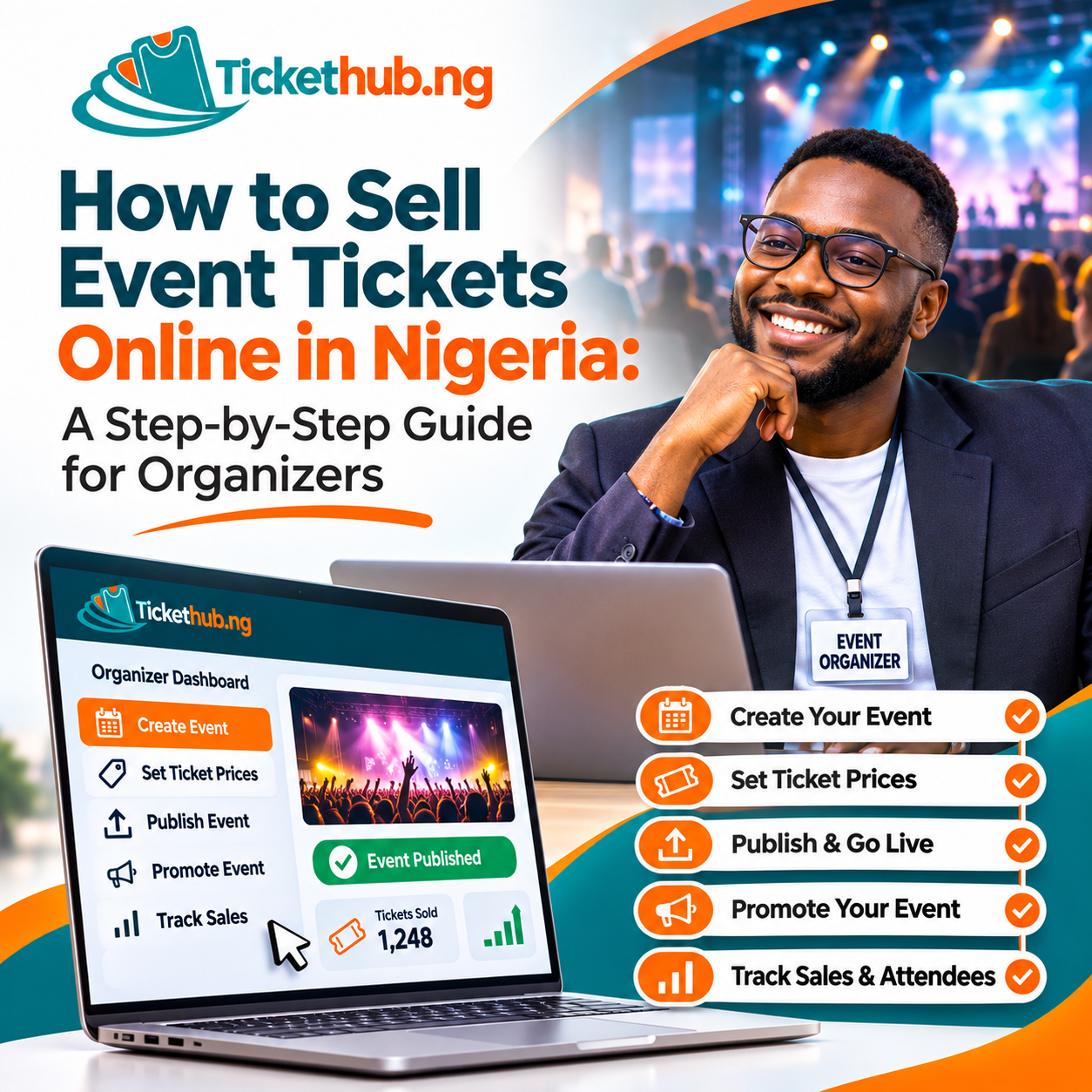
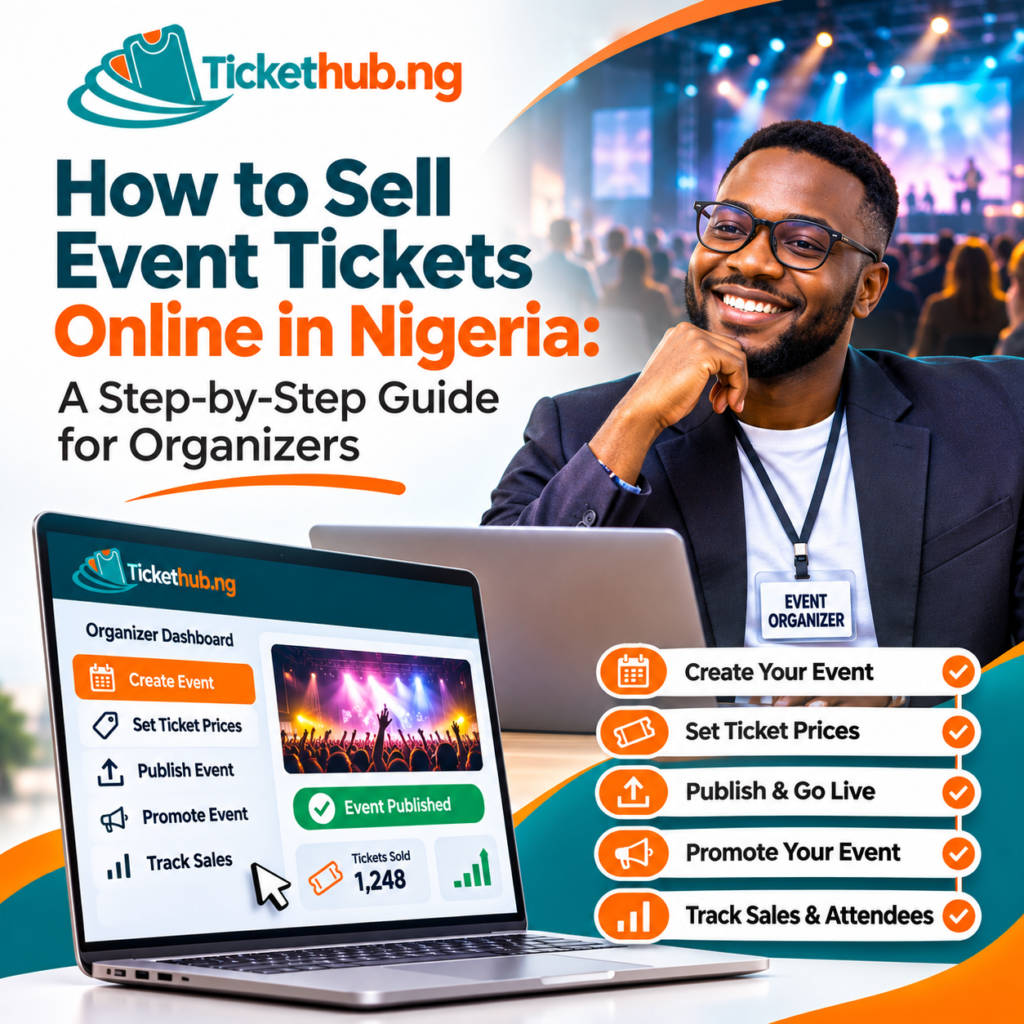
Tickethub.ng is one event ticketing and management option for Nigerian organizers. The platform allows organizers to create event listings, set ticket categories, accept payments through supported methods, and manage entry using QR code check-in. Its additional tools include campaign tracking, promotional codes, and ticket sales reporting, depending on the plan.
You can explore the platform at Tickethub.ng and review the current pricing and terms before deciding which option suits your event.
5. Promote your event with one clear ticket link
Publishing your event listing is only the beginning. People still need to hear about it, understand why they should attend, and know where to buy tickets.
Use the same event link across your social media accounts, WhatsApp messages, email campaigns, website, and promotional partnerships. This gives interested people a direct route to your listing instead of making them search for ticket information themselves.
Your promotional content should do more than announce the event. Share details about the performers, speakers, activities, or experiences attendees can expect. Answer common questions about ticket prices, location, and timing before they become reasons to hesitate.
If your ticketing platform supports campaign tracking, use separate links for different promotional channels. This can help you identify which campaigns generate sales and where you may need to adjust your approach.
6. Track sales and respond to enquiries
Keep an eye on ticket sales as your event approaches. Check how many tickets have sold, which categories are performing well, and whether your promotional efforts are bringing in buyers.
If sales are slower than expected, review your approach before spending more on advertising. Your audience might need clearer information, your promotional message might not be reaching the right people, or your ticket prices might need another look.
Respond to questions promptly and update your event listing whenever important details change. If you introduce a new ticket category or announce a programme change, make sure the information is consistent across your listing and promotional channels.
7. Prepare for check-in and event day
The ticketing process continues after someone makes a purchase. On event day, you need a reliable way to confirm bookings, manage arrivals, and resolve problems without creating unnecessary queues.
Decide who will handle check-in, who will answer attendee questions, and how staff should deal with missing tickets or payment confirmations. If you’re using QR code tickets, test the scanning process beforehand and make sure the team knows how to use it.
Send attendees a reminder before the event with the venue, arrival time, directions, and any entry requirements. A little preparation can make the experience smoother for both your guests and your team.
Conclusion
Selling event tickets online in Nigeria becomes easier when you have a clear event plan, sensible pricing, a reliable ticketing platform, and a promotion strategy that reaches the right people. Paying attention to sales and preparing for event day also helps you manage the experience beyond the initial purchase.
If you’re planning a concert, party, conference, or workshop, explore Tickethub.ng to see how its ticketing, marketing, and check-in tools could support your next event. Review the available plans and choose the setup that works for your needs.