If you’re planning to start or expand a transport business in Nigeria, the Toyota Coaster is one of the most reliable options you can consider.
I love that it is suitable for interstate transportation, staff movement, school operations, corporate and VIP logistics, and many other operations.
Toyota Coaster buses have proven to have long-term performance even on the rough Nigerian roads. However, before you go for them, you must consider important factors like pricing, associated costs and how they help your business become profitable. This article will help you in that regard.
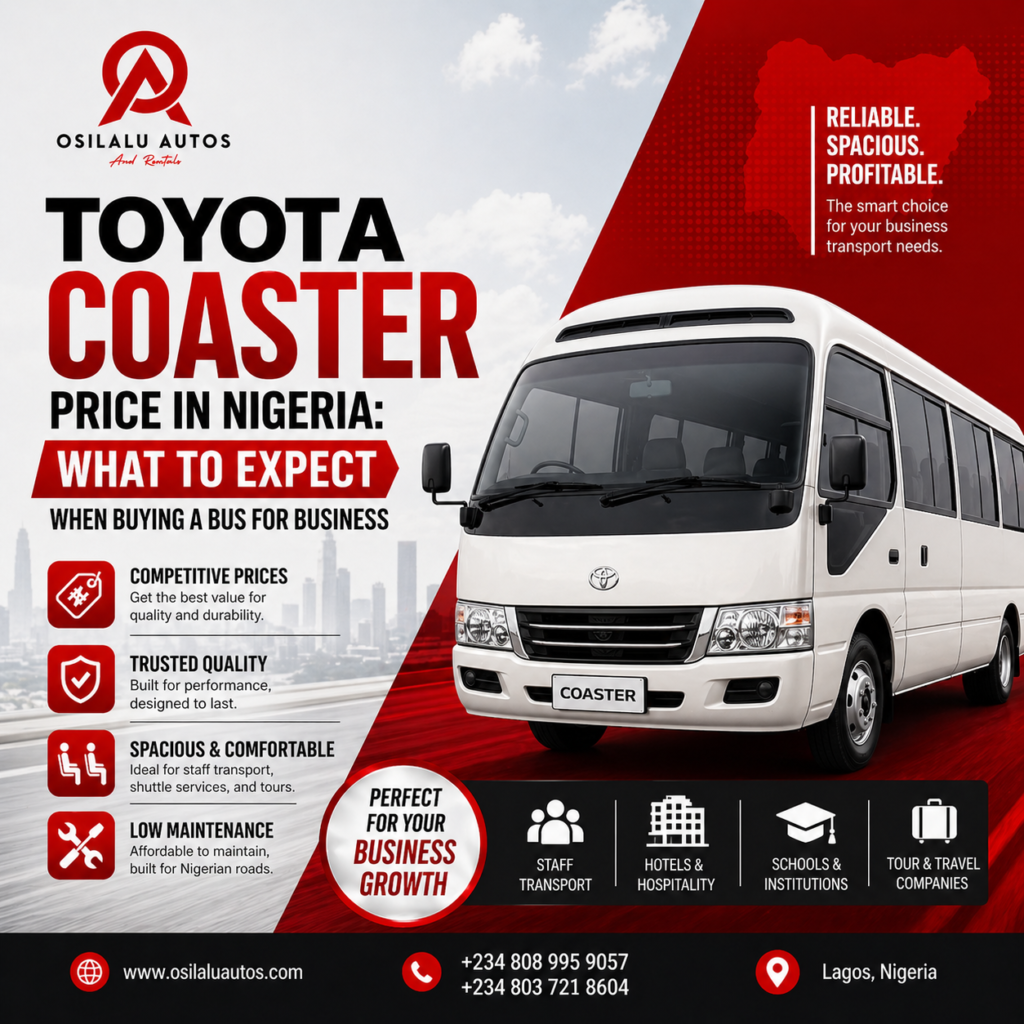
How Much is a Toyota Coaster in Nigeria in 2026?
A Toyota Coaster bus in Nigeria costs between N45M and N300M, depending on whether you want a brand new, tokunbo, or Nigerian used vehicle.
The price of the Toyota Coaster vehicle is influenced by many factors, but the most popular are the year of manufacture, condition and maintenance history, seating capacity, exchange rate, and import costs.
Here’s a clear breakdown of the prices of Toyota Coaster buses in Nigeria:
- Nigerian Used: N45 – N80M
- Tokunbo (foreign used): N70M – N110M
- Brand New: N120M – N300M+
What Actually Makes One Coaster “Worth It” and Another a Bad Buy
Two people can buy two Toyota Coaster buses of the same model and specifications, but get different usage experiences. This is truer for used Toyota Coasters, because many factors determine if a vehicle is worth the price or just another bad purchase.
Therefore, before you pay for that Toyota Coaster bus, consider how well it fits your needs and business. Here are things you must look at:
1. Intended Use vs Actual Configuration
Even as brand new, not all Toyota Coaster buses are built for the same purpose. You can see this by examining the seating configurations, interior finishing, and overall layout.
Some Coaster buses are built to accommodate a large number of passengers, judging by their tighter seating arrangements. It’s designed this way to increase revenue per trip for the owners.
Meanwhile, other buses are built for comfort and premium use. They feature wider seats, better cushioning, air conditioning systems, and sometimes premium entertainment options. These are the kind of buses you see in a VIP’s convoy or with top corporate organizations.
2. Previous Usage
If you’re buying a used Toyota Coaster, its history matters. I mean, it’s not worth buying a bus that is past its useful age just because it’s cheap or looks neat and attractive.
A Coaster bus that has been used for light corporate or school transport will surely have less wear and tear than one used for daily interstate or heavy commercial operations.
Therefore, it’s important you check the usage history to avoid buying a vehicle that would need frequent repairs to run. This is bad for business as it reduces your profit due to downtime and might even force you to cut your losses and get a replacement.
3. Engine Strength vs Surface Appearance
Many people buy vehicles for the looks alone. They just see a clean paintwork, neat interior, and modern finishing and are impressed and ready to pay.
If you’re buying your Toyota Coaster for business, especially in busy cities like Lagos, Ibadan, etc, the question you should ask yourself is if the surface beauty of the vehicle is more important than its mechanical strength.
This doesn’t even matter if you’re buying a used or brand new Toyota, the same rule applies. Make sure to look beyond the exterior and pay closer attention to the engine’s health and capacity.
4. Long-Term Value of the Vehicle
A cheaper bus is not always the better deal, especially when buying a Toyota Coaster for business. What matters is not just the purchase price, but how much the bus will cost you over time in repairs, fuel, and downtime.
I’ve seen many people overlook this, only to turn around and regret their decisions.
The truth is that a low-priced Nigerian used Coaster may save you money upfront but can lead to frequent breakdowns and lost income. On the other hand, a foreign used vehicle may cost more initially but often requires fewer repairs, while a brand new Coaster offers the highest reliability and minimal interruptions.
At the end of the day, the best choice is the one that keeps your business running smoothly and consistently, not just the cheapest one.
What to Expect When Buying a Toyota Coaster
Buying a Coaster is different from buying a regular car. And if you’re buying it for business, you must understand you’re not just buying a vehicle, you’re investing in a business asset.
Therefore, here are the things you should realistically expect when buying a Toyota Coaster bus:
- High initial cost: Coasters require significant capital, especially for newer models. Costs can go as high as N300M.
- Income potential: With proper use, the bus can generate steady daily or weekly revenue and do so for years.
- Maintenance responsibility: Regular servicing is essential to keep it running efficiently. Overlook this, and you pay dearly for it.
- Operational planning: You’ll need to think about routes, passengers, and management, because these things directly affect the profitability and durability of your bus.
Hidden Costs Most First-Time Toyota Coaster Buyers Ignore
1. Fuel Costs
Coaster buses consume more fuel than smaller vehicles, especially on long routes. This means your daily operating cost can rise quickly if your pricing or passenger volume isn’t well planned.
Over time, fuel becomes one of your biggest expenses, so it’s important to factor it into your pricing strategy to avoid eating into your profits.
2. Maintenance and Repairs
Even though the Toyota Coaster is known for reliability, a bus used regularly will naturally experience wear and tear. The vital components like brakes, suspension, and tyres will need consistent attention.
As a business, you can’t ignore or delay maintenance of your vehicles, as small issues can turn into major repairs that would cost millions and disrupt your operations.
3. Driver and Staff Costs
If you’re not driving the bus yourself, you’ll need a reliable and experienced driver to operate it efficiently and safely. Depending on your business model, you may also need additional staff for coordination or passenger management.
Salaries and allowances are recurring costs, so they must be built into your business plan from the start.
4. Licensing and Permits
If you’re buying the vehicle for a transport business, you would need to get the proper documentation, including vehicle registration, roadworthiness certificates, and operational permits.
These are not one-time costs, as they need to be renewed periodically. So you must also consider them and factor them into your operating costs.
This is because the government would fine you or even impound your vehicles if you fail to keep your documents up to date.
5. Downtime Risk
If your bus breaks down, you lose income for that period, especially if it happens during peak operation times like Christmas, Easter or Salah. This can affect your cash flow and overall profitability.
Frequent downtime also reduces customer trust, which can hurt your business in the long run, as your customers start moving to your competitors.
Conclusion
The Toyota Coaster remains one of the best vehicles for transport and business use in Nigeria. It is reliable, durable and can accommodate a good number of passengers at once.
However, you will only enjoy it and even become profitable from it if you make the right purchase decision.
Even if you have budget constraints, you must understand that you need a bus that matches your business needs, runs reliably, and generates consistent income. So, it’s even better to save up money and get a good one than buy a cheap one that’s prone to multiple repair needs.
If you need a durable and reliable Toyota Coaster bus at the best possible price in Nigeria, we at Osilalu Autos are here to give you the best service. Contact us now!