
Shea butter has carved a solid reputation as a natural miracle for skincare, hailed globally for its moisturizing, anti-inflammatory, and healing properties. But not all shea butter is created equal. If you’re in the skincare or cosmetic business and want a product that stands out in quality and authenticity, unrefined Nigerian shea butter is a goldmine. Unrefined shea butter retains its natural vitamins, fatty acids, and minerals, making it a superior ingredient to its refined counterparts.
Yet, sourcing unrefined shea butter from Nigeria isn’t as simple as sending an email or clicking a button. It involves understanding the supply chain, establishing trust with producers, ensuring quality control, and navigating export requirements. Here’s a comprehensive guide to help you source authentic Nigerian shea butter the right way—sustainably, ethically, and profitably.
Understanding Nigerian Shea Butter: What Makes It Special?
Nigeria is one of the largest producers of shea nuts globally, with vast shea tree belts stretching across the north and middle belt regions such as Niger, Kwara, Oyo, Kaduna, and Kebbi. Shea butter from Nigeria is known for its high fat content and creamy consistency, typically ivory or yellowish in color. Unrefined shea butter contains vital nutrients like vitamins A and E, stearic and oleic acids, and a naturally nutty scent—factors that make it ideal for premium skincare formulations.
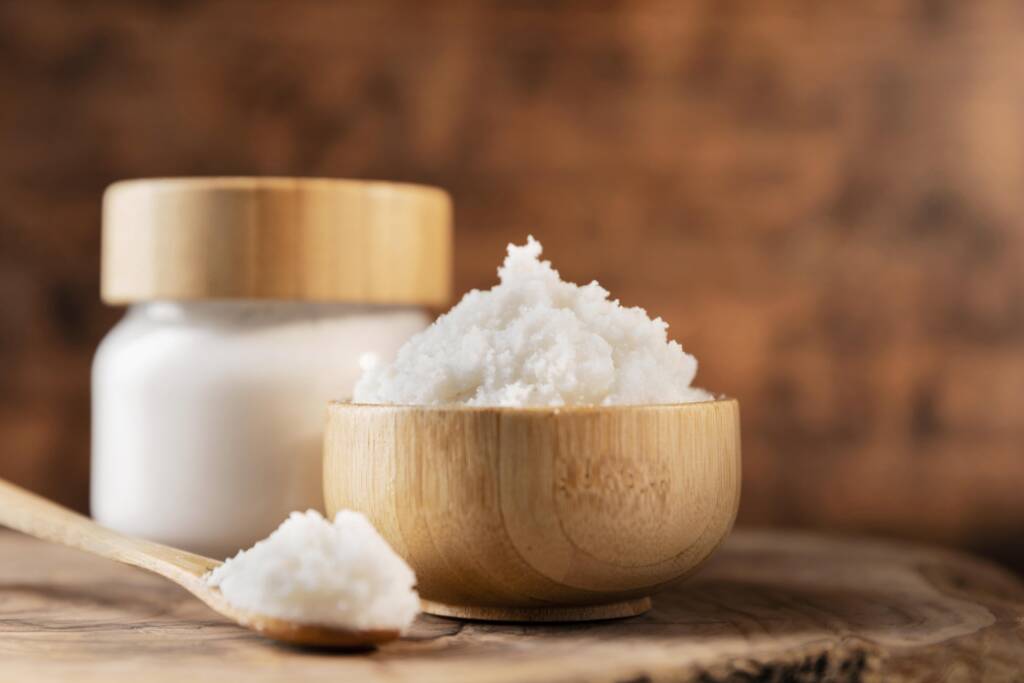
Nigerian shea butter is distinguished by its traditional extraction method, which preserves its nutrients. Unlike refined shea butter, which is chemically treated, unrefined shea is hand-processed, involving roasting, grinding, kneading, and slow cooking. This artisanal process enhances its purity and efficacy, making it a favorite among natural cosmetic brands.
Step-by-Step Guide to Sourcing Nigerian Shea Butter
Step 1: Decide on the Grade and Quantity
Before contacting suppliers, determine what grade of shea butter you need. Grades range from A to F, with Grade A being raw and unrefined. This is the best quality for cosmetic use because it hasn’t undergone chemical processing or bleaching.
Next, decide on the quantity you’ll need—will you be sourcing in kilograms for small-batch production or metric tons for commercial manufacturing? Knowing this upfront will help you narrow down the right suppliers and ensure you’re asking the right questions.
Step 2: Choose Between Direct Sourcing and Middlemen
There are two primary sources of Nigerian shea butter: directly from women’s cooperatives and village processors, or through aggregators/export agents.
- Direct sourcing from cooperatives: This is the most ethical and sustainable option. Women’s cooperatives in states like Kwara, Niger, and Oyo are often the backbone of shea production. Partnering directly with them supports local economies and ensures fair trade. However, this route demands more involvement in logistics, quality checks, and sometimes language or cultural translation.
- Middlemen/export agents: These entities act as intermediaries, consolidating shea butter from various producers and offering standardized quality. While this might cost more per kilogram, it simplifies the process and provides more consistency, especially for larger orders. Just ensure the agent has credible references and certifications.
Step 3: Evaluate Quality and Purity
Sourcing unrefined shea butter means you must verify its quality before committing. Some practical tests are:
- Color: Should be creamy white, ivory, or yellow (if palm oil or turmeric is added).
- Smell: Natural, earthy, and nutty; a rancid or chemical scent is a red flag.
- Texture: Smooth and rich. Gritty texture may indicate poor processing or contamination.
- Melting Point: Should melt quickly upon contact with the skin.
- Packaging: Check that it’s stored in airtight, food-grade plastic or containers to prevent contamination and moisture retention.
If available, you may need to ask for samples and Certificates of Analysis (CoA), especially if you’re buying in bulk for commercial purposes. Reputable suppliers usually offer small samples at cost or free (with shipping covered) to help you evaluate the product.
Step 4: Understand the Harvesting and Production Season
When it comes to sourcing shea nuts, timing really matters. The harvest season runs from May through August, with the heart of production taking place between June and October. If you’re looking for the freshest, most aromatic shea butter bursting with nutrients, planning your orders around this window is your best bet.
While shea butter can last up to two years if stored properly, nothing beats the quality of a freshly made batch. That’s why it’s smart to ask your supplier about the production date if you’re sourcing outside the peak season. This helps you avoid stock sitting around too long or close to expiring.
Look for suppliers who take extra steps to preserve freshness, like refrigerating their shea butter. It’s a small detail, but it shows a commitment to quality and professionalism you can feel confident about.
Step 5: Build Relationships and Trust
In Nigeria and across the world, trust and relationships are integral to every business. Whether you’re dealing with a women’s cooperative or an export agent, invest your time in communication. Video calls, factory tours (even virtual ones), and regular follow-ups go a long way in establishing credibility and long-term partnerships.
Many buyers make the mistake of focusing only on pricing. While cost is important, it’s more valuable to work with a supplier who understands cosmetic standards, complies with hygiene practices, and is open to feedback. A good relationship ensures better service, faster responses, and reliable supply.
Step 6: Negotiate Logistics and Export Details
Once you’ve chosen a supplier, it is time to discuss logistics. Some important considerations here include:
- Incoterms: Determine whether the pricing includes FOB (Free on Board), CIF (Cost, Insurance, and Freight), or EXW (Ex-Works).
- Packaging: For export, shea butter is typically packed in 25kg–50kg plastic containers or jerrycans. Vacuum-sealed packaging is ideal for a longer shelf life.
- Shipping: Most suppliers ship via sea freight for large orders or air freight for smaller, urgent ones.
- Customs: Check your country’s import regulations for natural oils or raw agricultural products. Some countries require phytosanitary certificates or additional lab tests.
Working with a supplier familiar with international trade will save you time and help avoid costly customs delays.
Step 7: Ensure Ethical and Sustainable Practices
As the popularity of shea butter continues to rise, so does the spotlight on where and how it’s made. Ethical sourcing isn’t just a trend—it’s a powerful way to shape your brand’s story and values. Choosing the right suppliers means looking for those who harvest shea nuts responsibly, protecting the precious shea trees, and ensuring children aren’t involved in the hard work.
But it doesn’t stop there. By partnering with cooperatives that invest in their communities—whether through building schools, improving infrastructure, or offering fair wages to women producers—you’re supporting real change on the ground. These partnerships help empower women and strengthen entire communities, creating a ripple effect that goes far beyond a single product.
One way to ensure you’re working with the best is to ask if the cooperative is connected to the Global Shea Alliance (GSA). This respected organization champions best practices in shea production, from sustainability to fair labor, giving you confidence that your shea butter is making a positive impact every step of the way. By making thoughtful choices, you’re not just buying an ingredient—you’re helping to build a better future for everyone involved.
Step 8: Leverage the Story in Your Brand
When you source shea butter directly from Nigeria, you’re not just buying an ingredient but opening the door to a story that today’s consumers truly value. People want to know where their skincare comes from, who made it, and how their choices make a difference. That’s why sharing your sourcing journey is so powerful: it gives your brand a heartbeat.
Imagine your customers seeing photos or videos of the women who handcraft the shea butter, learning about the traditions passed down through generations, and understanding how your brand helps empower local communities. By educating your audience about the benefits of unrefined shea—and the real people behind it—you create a genuine connection that goes beyond the product itself.
This kind of transparency isn’t just good ethics; it’s good business. It builds trust and loyalty and sets your brand apart in a crowded market where people are more mindful than ever about what they put on their skin. When you invite your customers into your story, you’re not just selling skincare—you’re inviting them to be part of something meaningful.
Conclusion
Sourcing unrefined Nigerian shea butter is more than adding another ingredient to your product line—it’s about joining a movement that celebrates natural beauty, supports fair trade, and helps shape a more sustainable world. When you choose to work with Nigerian shea butter, you’re connecting with a legacy that stretches back generations, one that’s rooted in community, tradition, and care for the earth.
Building strong relationships with local producers and committing to the highest quality standards means your brand can offer something special. Whether crafting small-batch skincare or launching a new line of cosmetics, sourcing authentic Nigerian shea butter is a chance to make a real difference. You’re not just purchasing a product—you’re becoming part of a story that uplifts families, preserves traditions, and helps build a brighter future for everyone involved.