
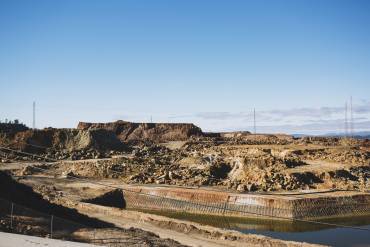
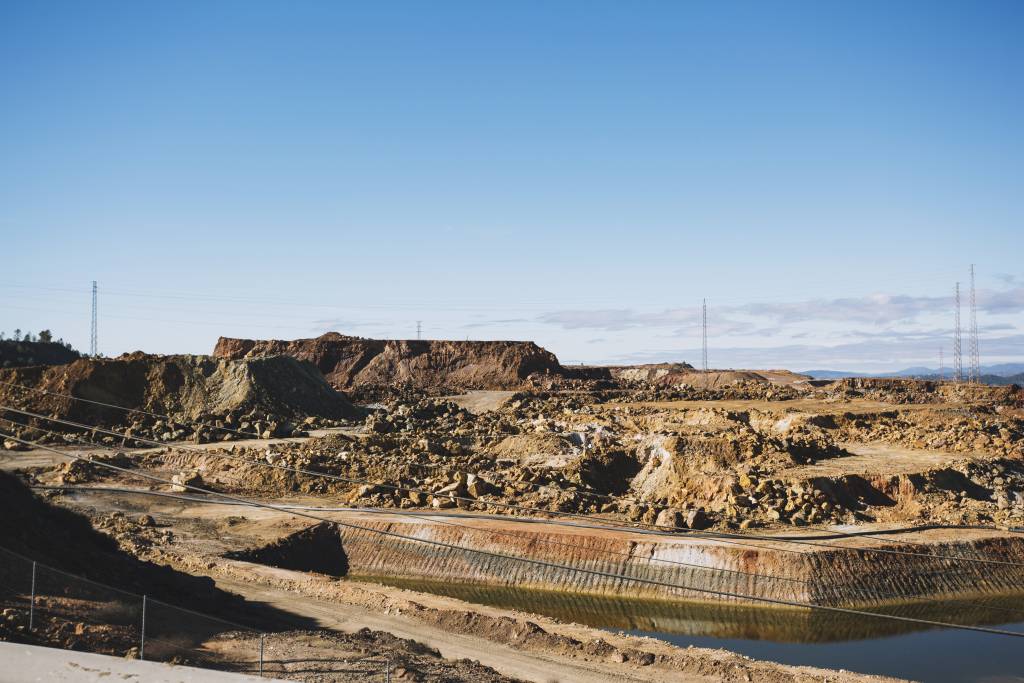
Once the crown jewel of Botswana’s economy, the diamond industry is now facing a series of challenges that threaten its dominance. While the country has long been celebrated for its prudent management of diamond wealth, a perfect storm of global economic shifts, industry evolution, and environmental concerns is putting pressure on this vital sector.
Market Dowturn
A key challenge is the declining global demand for diamonds. As consumers shift their priorities and preferences, the allure of diamonds has dimmed somewhat, impacting sales and prices. This downturn has forced Botswana to rethink its reliance on this single commodity and accelerate efforts to diversify its economy. Rough diamond sales in 2023 dropped by 25.1% to $3.44 billion, according to Bank of Botswana figures released in March.
Digitization in Diamond Industry
Additionally, the industry is grappling with technological advancements. The emergence of lab-grown diamonds poses a significant threat to the natural diamond market. While Botswana has been proactive in addressing this challenge, it requires substantial investment in research and development to maintain its competitive edge.
Dr. Mokgweetsi Masisi, the President of Botswana, emphasized the importance of using technology in the diamond industry to promote its long-term health. He made this point during his address at the FACETS Conference in Gaborone, Botswana. Botswana holds the top position globally in terms of diamond value production.
Sustainable Development at the Diamond Summit.
Delving into the subject of ‘Sustainability: The Natural Diamond Summit that discussed on People, Product, and Planet,’ brought together key figures from Botswana’s Government, the diamond industry, and the global sector to talk about the crucial part that natural diamonds play in promoting sustainable growth.
Botswana’s Minister of Minerals & Energy, the Honourable Lefoko Maxwell Moagi during the conference, highlighted that ‘the diamond sector has been around for more than a century. Throughout its journey, it has undergone numerous transformations. This includes significant technological breakthroughs that have enhanced efficiency and fostered growth along the supply chain. Additionally, there have been mergers among key players and the emergence of major diamond hubs, leading to substantial changes and further expansion. The sector has flourished for many years, overcoming various worldwide obstacles that have led to the downfall of other sectors and large companies.’
Furthermore, the mining industry as a whole is under increasing scrutiny for its environmental impact. Botswana is committed to sustainable development, and the diamond sector must align with these goals. This includes implementing stricter environmental regulations, investing in reclamation efforts, and adopting eco-friendly mining practices.
To address these challenges, the Botswana government and the diamond industry are working together to develop strategies for long-term sustainability. This includes investing in value-addition processes, such as cutting and polishing diamonds locally, to increase revenue generation. Moreover, efforts are underway to promote Botswana as a global diamond hub, attracting industry players and creating new job opportunities.
Conclusion
While the road ahead is undoubtedly challenging, Botswana’s strong foundation, coupled with its commitment to innovation and adaptation, positions the country to navigate these headwinds successfully. The diamond industry remains a vital component of the economy, and with careful planning and strategic investments, it can continue to contribute to Botswana’s prosperity.